Metawave pioneers microwave-based heating for industry
Jonathan Spencer Jones
Posted on: 20 May 2026
In this EU Energy podcast, Paolo Veronesi from the University of Modena and Reggio Emilia, goes into detail about the Metawave project.
A significant challenge in the drive for net zero is the decarbonisation of energy intensive industries such as ceramics, glass or concrete.
A further challenge is that the diversity of industries with their individual characteristics and processes require individual solutions.
One of these is high temperature heating and microwave heating – well established as a medium for cooking – seems to offer potential in industry as a replacement for fossil-fuel based heating, explains Paolo Veronesi, professor of metallurgy at the University of Modena and Reggio Emilia.
“We decided to use microwaves because of their volumetric, selective and rapid nature of heating. And they are also useful to process multi-phase materials or materials having a low thermal conductivity,” Paolo says.
How microwave heating is being applied
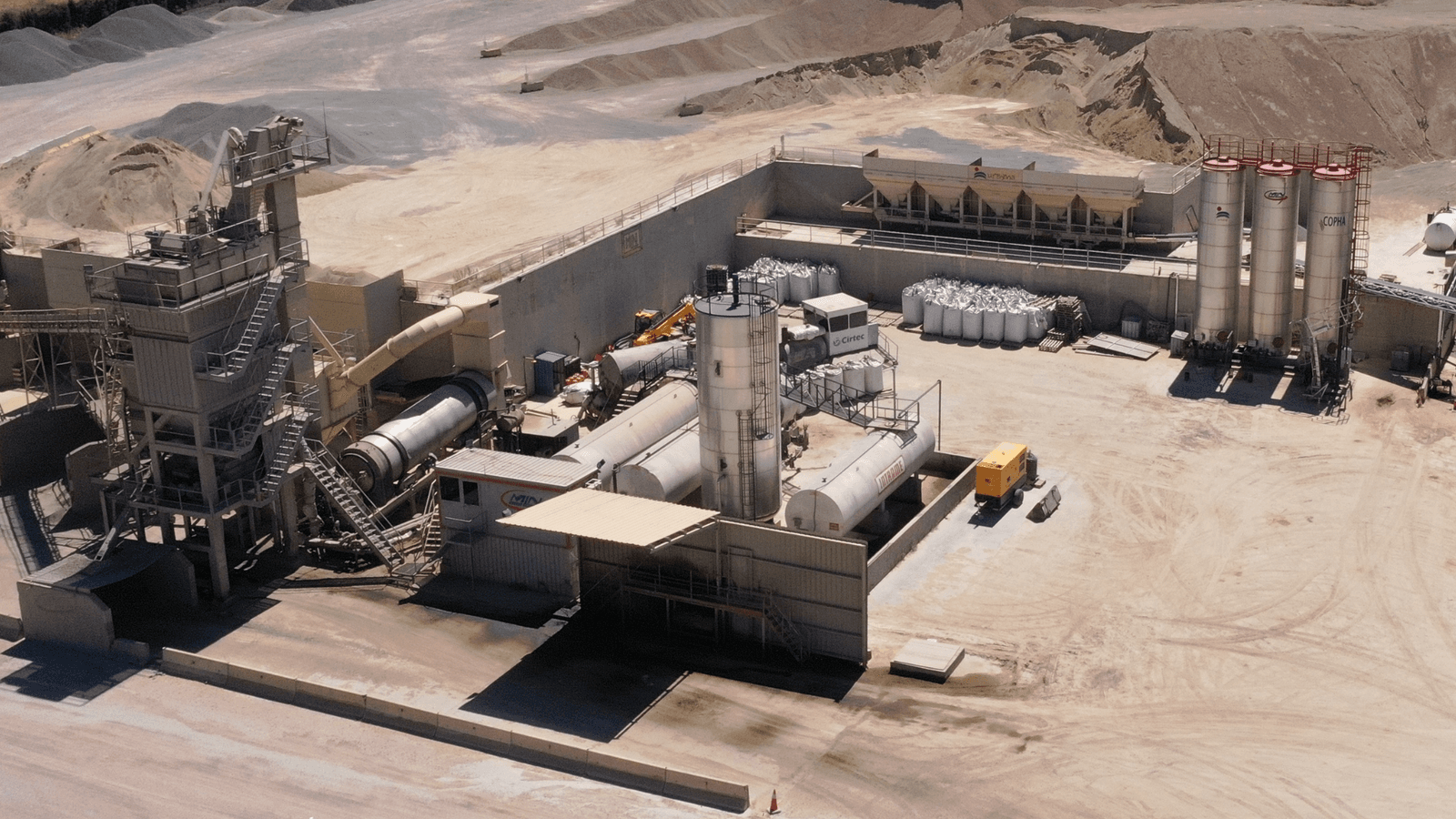
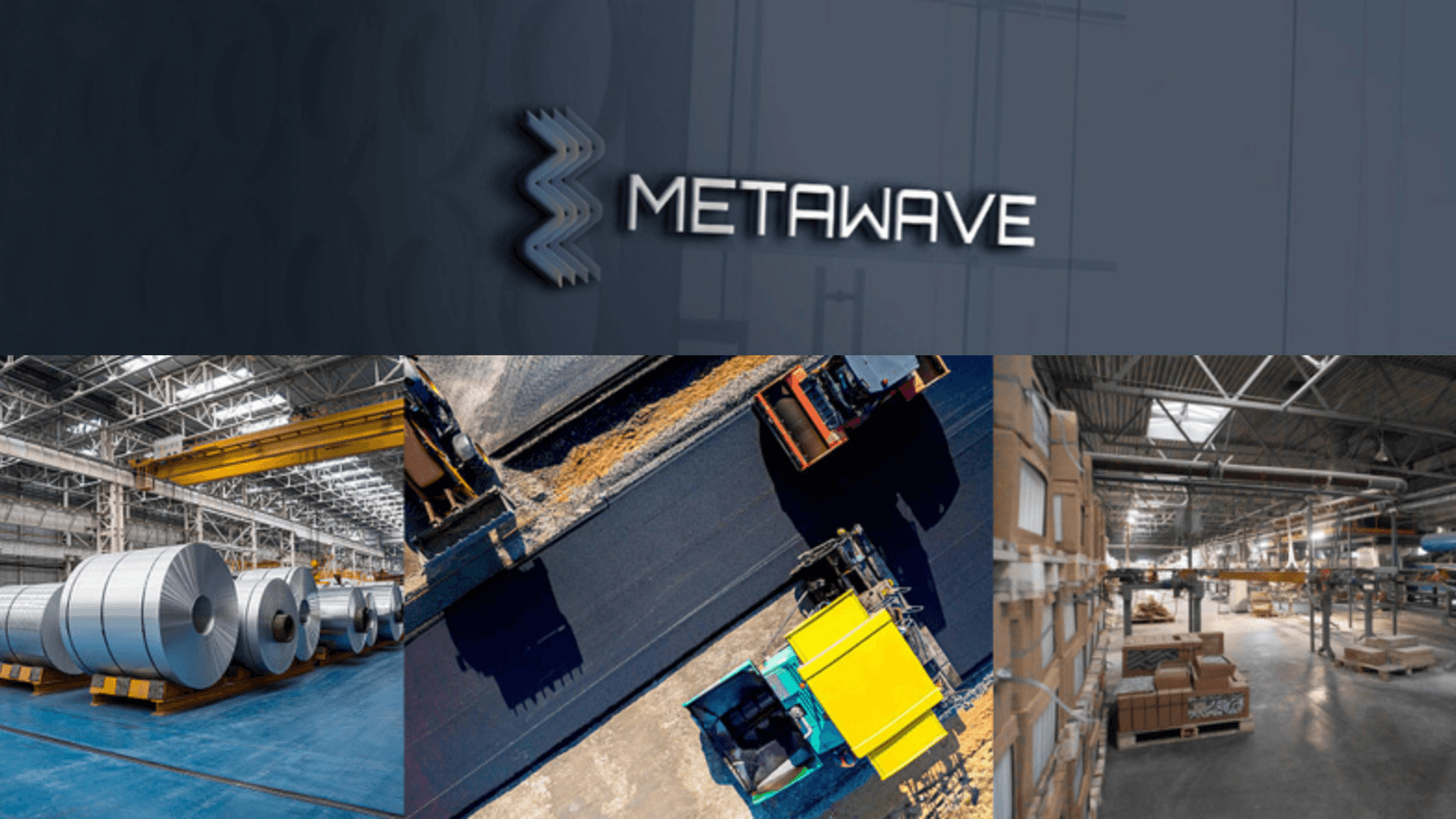
The sectors of focus for Metawave are ceramics, in particular the firing of tiles, asphalt, with the heating of aggregates, and aluminium, particularly the baking of the anodes which are used during the smelting process.
These in turn require different solutions. For the ceramics, the approach is to replace current gas burners with plasma torches powered by microwaves, while for the asphalts volumetric heating is being tested as an alternative to the current high temperature heating with the added advantage of being able to use recycled asphalt – impossible with the conventional systems.
The aluminium use case is different again, with the innovation of coupling microwave heating with induction heating to enable the production of single anodes, and thereby enhance their quality.
Digital twins and process optimisation
Metawave is now approaching the half way stage, with the feasibility of the processes demonstrated in the laboratory.
In addition a thermal camera and fibre optic based measurement system has been developed, with the data captured forming the basis of digital twins for modelling and refinement of the respective heating solutions, which are starting to be prototyped in situ with industry partners.
“We want to generate a lot of data so we can further refine the digital twins of our systems, which should allow us to assess any possible critical conditions and to identify the best conditions to run our processes.”
Early efficiency gains exceed expectations
The ultimate aim of the solutions is to improve the energy efficiency and reduce emissions and the results to date indicate that the initial targets – average 30% reduction in energy consumption and 95,000t CO2e saved – are being exceeded.
For example, in the ceramics firing the energy saving is reaching 38% and in aggregate heating it is exceeding 50%, Paolo says. He adds that with further refinement, the savings in anode baking could reach a similar level.
Paolo comments that there has already been interest from other industrial partners to investigate the applicability of the solutions or even to transfer them to their processes and safety has been a top priority.
“There is sometimes a scepticism to the use of microwaves as they are unseen radiation and we have invested a lot in making the systems safe from the operator point of view.”
LISTEN NOW
Related tags
Most popular
Join the community for freeAnd get access to all content
Related projects
METAWAVE
+1
1 January 2024 - 31 December 2027
View project