Fatih Birol and Ignacio Galán reveal actions for European competitiveness
Pamela Largue
Posted on: 5 February 2025
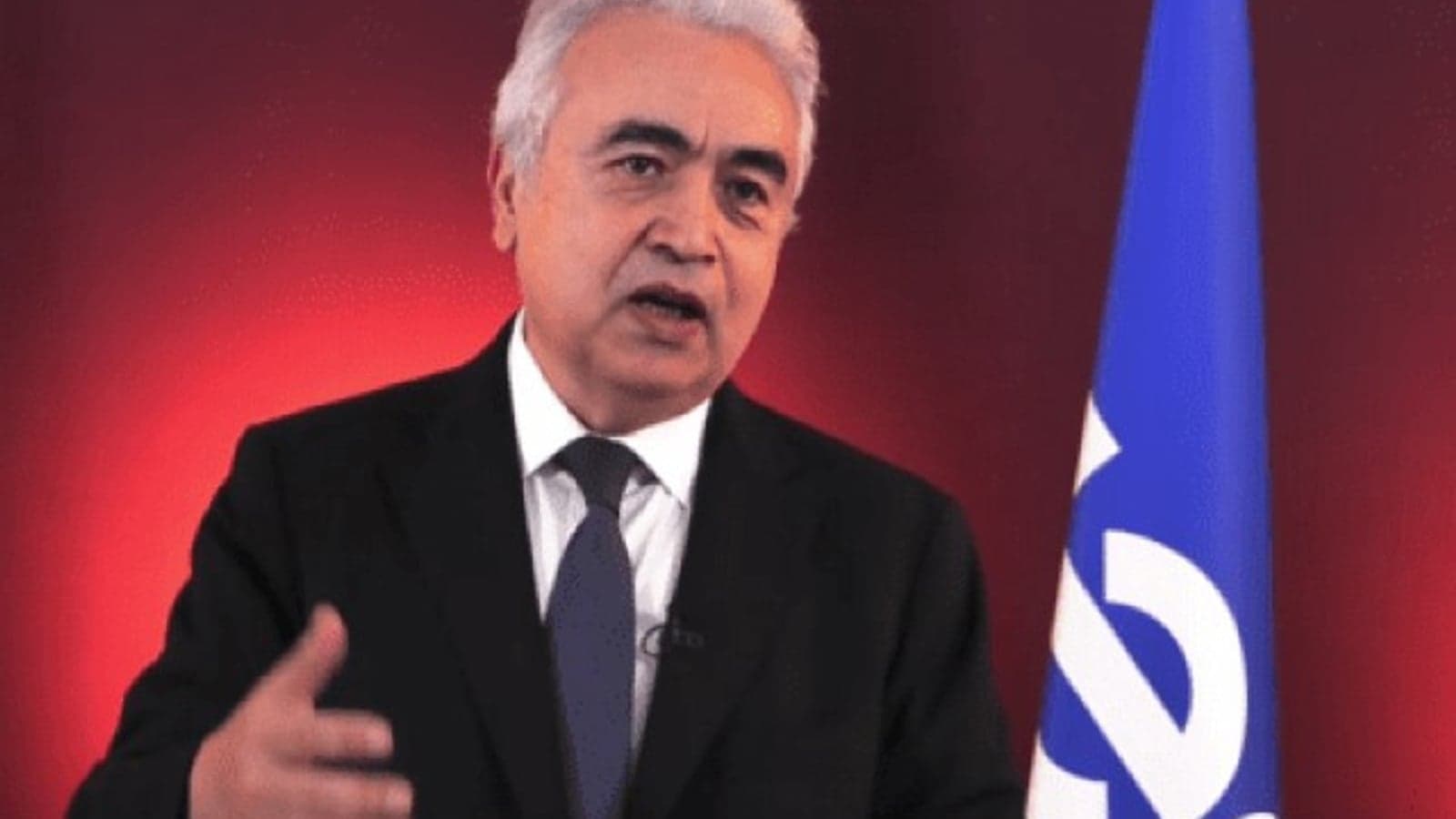
To address the rapid decline of Europe's industrial competitiveness, Fatih Birol is calling for simple and nimble permitting.
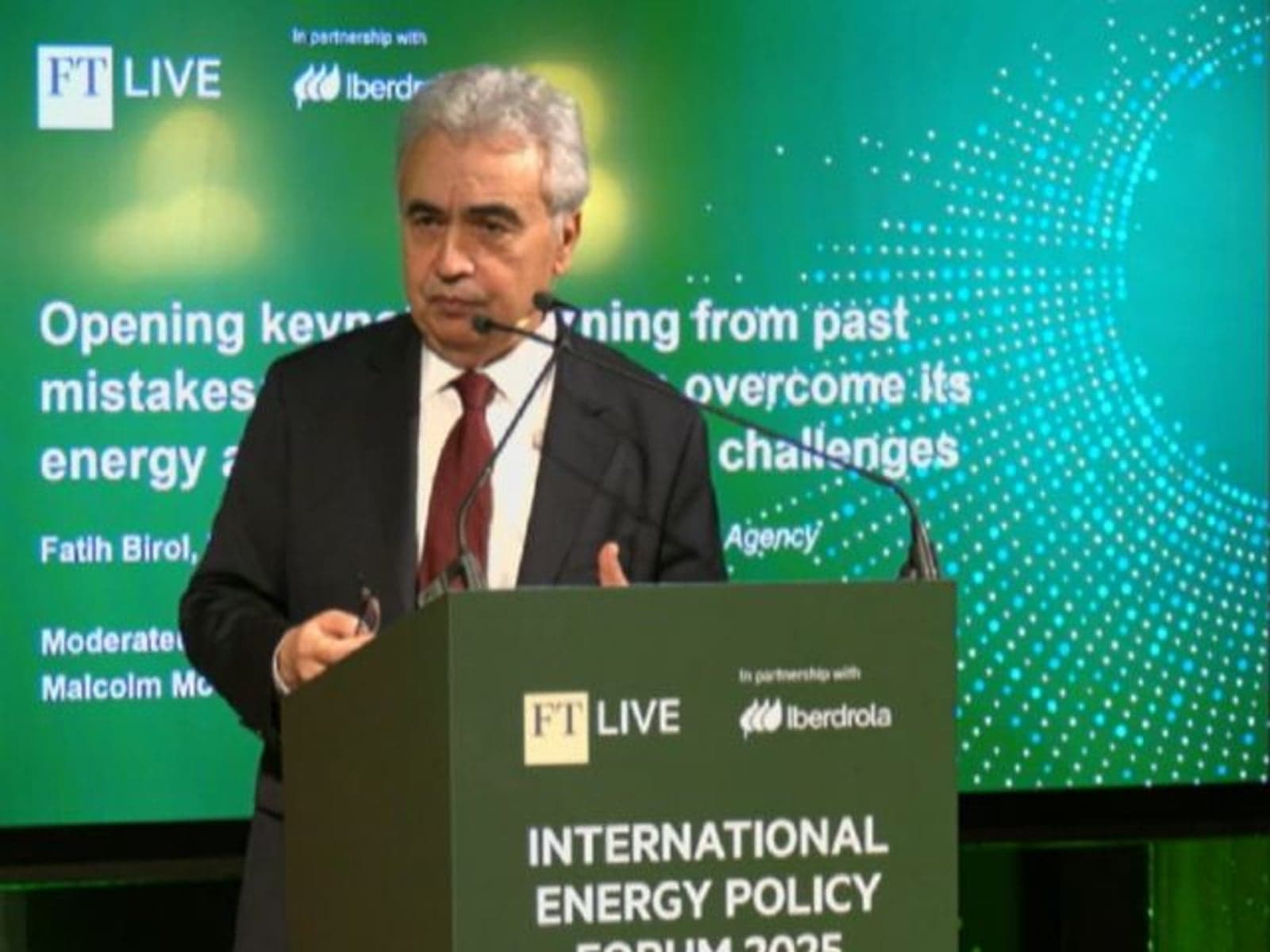
To address the rapid decline of Europe's industrial competitiveness, there is one priority more urgent than the rest according to IEA chief Fatih Birol – the need for simple and nimble permitting.
“Our projects need to be implemented at speed – we are losing momentum because of cumbersome licensing and permitting processes.”
Birol spoke at the opening keynote of the FT International Energy Policy Forum 2025 event being held in Brussels.
One of the key topics on the agenda was European policy and industrial competitiveness, and more importantly, how to fix the dire situation facing the Union.
Have you read?
Clean tech at heart of Europe’s competitiveness strategy
ArcelorMittal delays decarbonisation plans citing EU policy gap
Birol said Europe "is facing a major risk of losing its competitiveness when it comes to the manufacturing sector". This, he added, was due to three strategic mistakes for which industry is now paying dearly: an over reliance on Russian natural gas; Reducing nuclear capacity without a baseload replacement; and losing leadership in the solar sector.
He said the turn away from nuclear energy meant that “we lost big time in Europe: German nuclear plants were running like a Swiss clock and they phased them out”.
And he added that the solar story was a serious “strategy mistake”.
Birol highlighted that 20 years ago, Europe was a leader in the solar markets. Then it dropped the ball and China picked it up. Europe is now the biggest importer of solar, he stated.
"It's like running a marathon...if you finish the first 10km and then fail, no one remembers your name."
Industrial master plan
Birol was clear about what Europe needs to do now. He called for a new industrial master plan and that plan needs to accomplish two things.
The plan needs to prevent the death of legacy manufacturing by addressing the stark price gap between European industries and those of the rest of the world.
Secondly, the plan needs to create a stronghold to protect future industries, specifically clean tech.
“If we have a new realistic industrial masterplan looking after existing legacy industries and being a leader in some of the clean energy tech of tomorrow – and if this supported by the right policies – I see great chances for Europe to remain as an important global economic power.”
Birol acknowledged: “We have to be realistic, Europe needs to pick its battles.”
He suggested Europe lean into its current strengths, such as batteries, wind, EVs, heat pumps and grids, and added that targeted policies to support innovation will go a long way to boost competitiveness.
Birol emphasised that Europe needs to put its full weight behind this, because if it loses this battle: “Implications [are] not only for Europe's economy but also for Europe's standing in the world.”
Delivering competitiveness
Later at the Forum, the chairman of Iberdrola, Ignacio Galán, delivered a get-on-with-it message about the energy transition in Europe and how it can drive competitiveness across the continent.
He said Europe should aspire to be more than “an area known for holidays and beautiful monuments: we want to be industrially and technologically attractive”.
And to achieve this, he maintained that “everybody knows what needs to be done: it’s not a case of defining – it’s all about execution, execution, execution”.
“We need to invest in networks, storage and renewables, because decarbonization in Europe means self-security in Europe: Fit for 55 is fit for security and self-sufficiency.”
He said promoting local industries “is crucial to keep our existing capabilities in wind, hydro” and stressed that he believed if policymakers could deliver a “stable, predictable environment for renewables… the money will move”.
Iberdrola has in recent years invested increasingly in networks, particularly in the UK and US (he praised the former for recent measures to unblock permitting bottlenecks and the latter for regulatory certainty), and told the audience in Brussels: “Electrification is unstoppable.”
(By Pamela Largue and Kelvin Ross)