Will the EU citizens energy package empower the prosumer?
Jonathan Spencer Jones
Posted on: 16 March 2026
Brussels Energy Brief: The new European citizens energy package has an opportunity to finally provide a blueprint for consumer engagement.

Among the plethora of policy releases in the past week, including the clean energy investment package and an SMR strategy to boost deployments in the 2030s – the citizens energy package appeared to get the least coverage.
This is surprising given its intent to make energy more affordable. And this was before the conflict in the Middle East, which is already impacting prices, although hopefully no more temporarily.
Even before this latest crisis, the Commission cites electricity prices remaining higher than pre-2021-2022, primarily due to external factors influencing wholesale energy prices, such as global supply patterns, weather anomalies influencing the amounts of electricity produced from wind and hydropower as well as cold spells in the winter season increasing demand.
Moreover, taxes and levies account on average for a quarter of household bills and about a sixth for businesses, while network tariffs can also account for up to a third of the costs.
A key thrust of the citizens energy package is on reducing these, with special considerations and targeted actions for vulnerable customers. For example, non-energy-related taxes could be removed from bills, the Commission suggests.
Energy communities
Other key components of the package include proposals for encouraging consumers – including small businesses in this context – to install clean energy, form energy communities and deliver flexibility to the grid.
As with much of the Commission output, some of the fine detail is still to come, such as clarity on flexibility interoperability requirements and possible standardised templates for energy bills. Nevertheless, it is clear that the implementation of some aspects is likely to necessitate regulation at the national level.
Also of interest:
European Commission sets course for SMR deployment in early 2030s
EU seeks to mobilise private investment via Clean Energy Investment Strategy
One of the keys to making energy more affordable, but outside the scope of this package, is to reduce the need for imports and the impact of international prices with the growth of local energy supplies.
As far as taxes and network charges go, countries and businesses are renowned if they give with one hand for taking it away with another, so the net effect is likely to be minimal.
Engaging consumers
However, I would suggest the most significant - and also most challenging - of the approaches is the empowerment of consumers.
Since the early 2000s, with the emergence of smart metering, utilities have been grappling with how to effectively engage consumers with their energy use.
The large number of Horizon projects ongoing on aspects such as energy services for consumers, consumer flexibility delivery and the growth of energy communities and districts – among them DECODIT, in which Enlit is a partner– indicate that such engagement is still very much a work in progress.
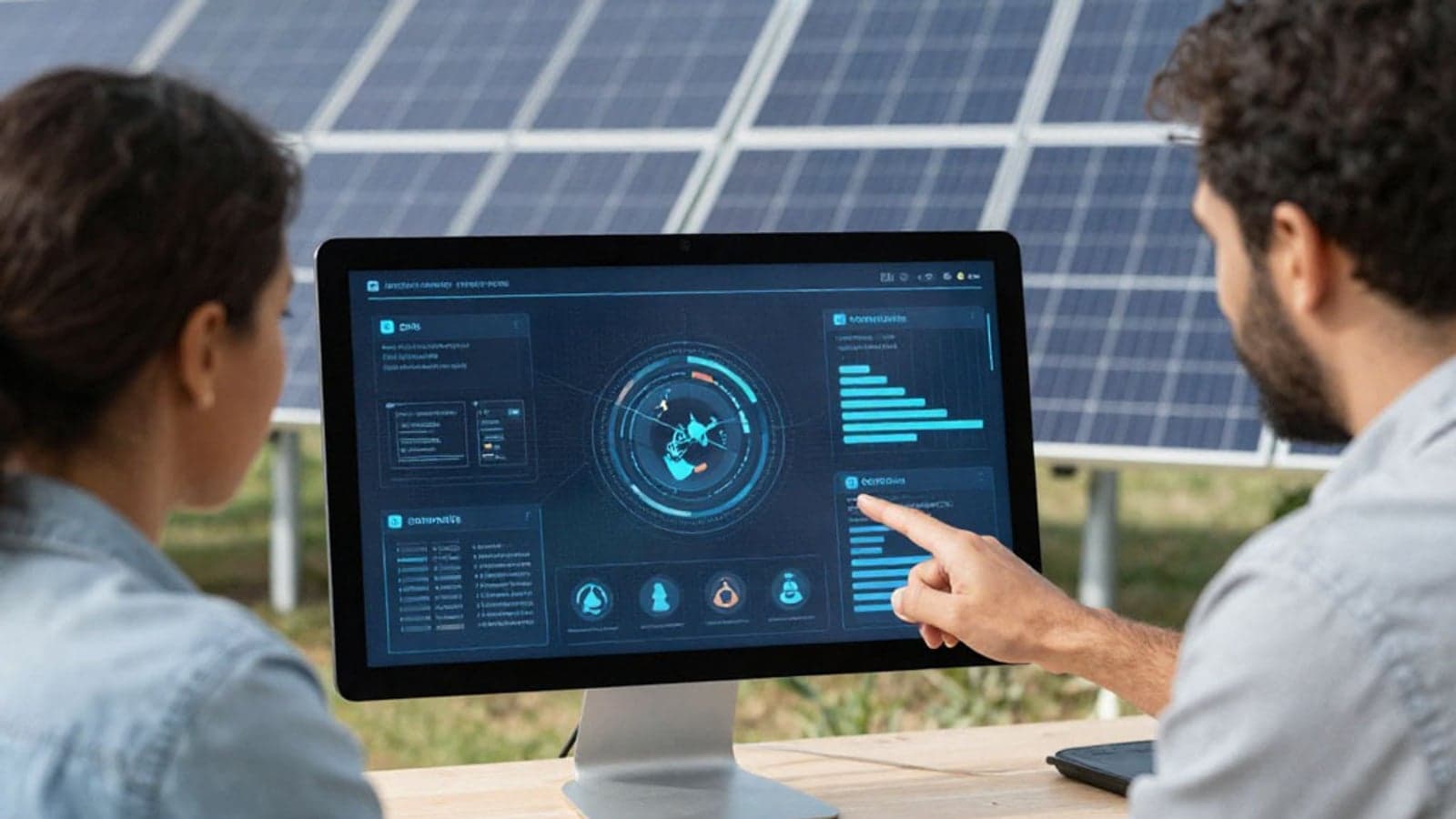
But new approaches, including the rapid growth of AI and potential of digital twins, along with consumers’ lives becoming more fully electrified, offer the promise of deeper personalisation and automation – and the potential for more optimal use of energy and ability to take full advantage of the available services such as flexibility.
Only then, as true prosumers, they will have full control over their final energy costs and the ability to minimise them for themselves.
Don't you agree?